
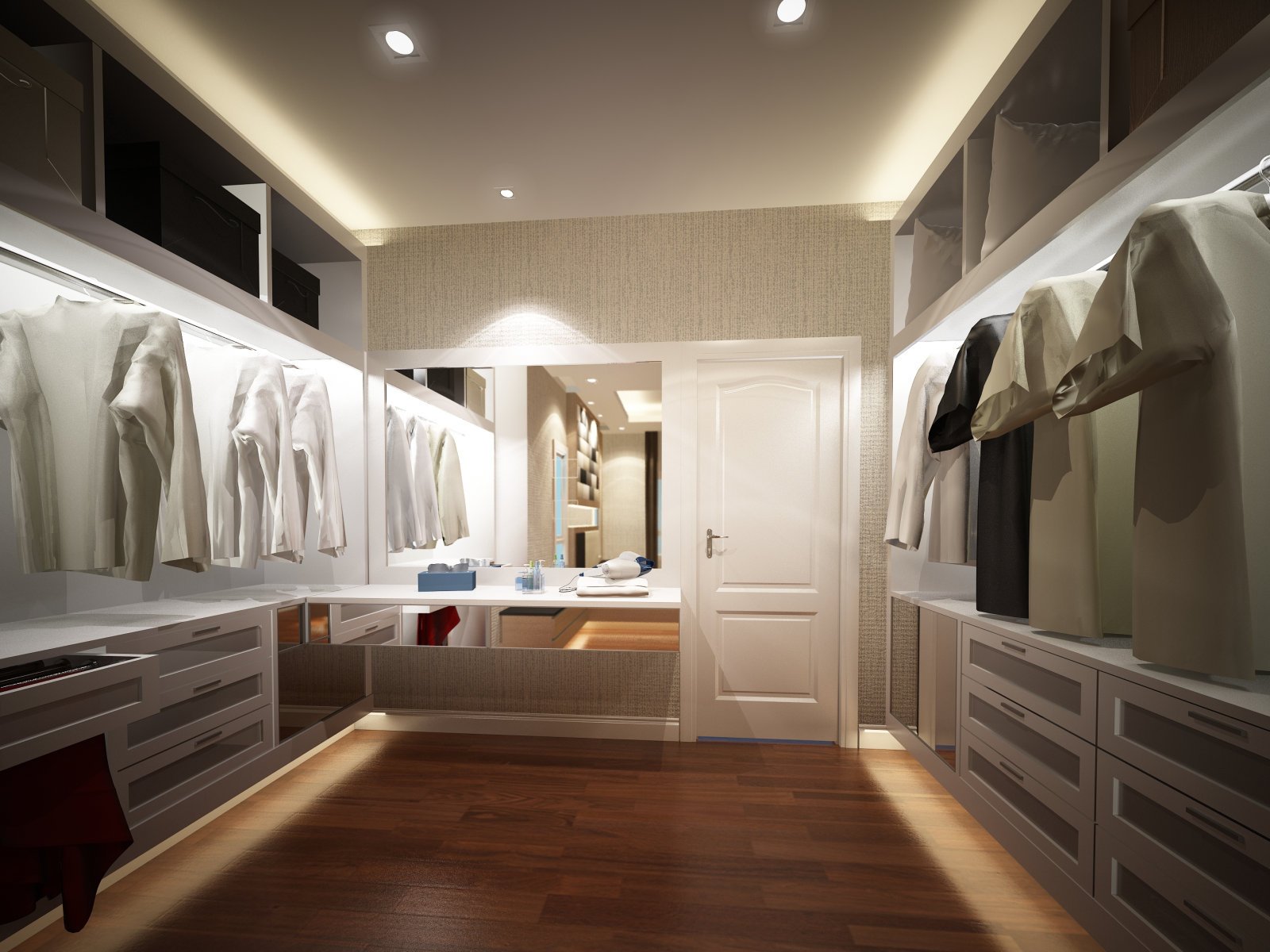
Illuminate contents without exposing hardware
Wardrobe lighting designed around doors, shelves and daily use
Wardrobes need comfortable light that reaches clothing and lower shelves without shining directly into the user’s eyes. Door movement, sensor placement and hidden cable routes are part of the lighting design.
HHY coordinates the LED strip, recessed or surface profile, diffuser, sensor, driver and leads around the furniture module so the same kit can be repeated across production.
Start with the application constraints
The right system is selected from the visual target, mounting detail, electrical limits and repeat-installation requirements.
Dark Lower Shelves
Use vertical or front-directed light to reach the full cabinet height.
Visible Hardware
Select narrow recessed profiles and concealed wire exits.
Unreliable Switching
Match door, PIR or touch sensors to the cabinet behavior.
Slow Assembly
Prepare cut lengths, leads and labels for each furniture module.
Recommended configuration starting points
Use these as engineering starting points, then confirm the complete assembly in a sample.
| Project priority | Recommended starting point | What HHY confirms |
|---|---|---|
| Full-height wardrobe | Vertical high-density strip | Uniformity and glare at eye level |
| Shelf compartments | Mini-cut or narrow strip | Cut interval and wire concealment |
| Premium timber finish | High-CRI warm/neutral white | Material color and batch consistency |
| Automatic activation | Door or PIR sensor system | Sensor position and driver access |
Recommended product configurations
These product families narrow the specification; final voltage, power, dimensions and accessories are matched to the project.
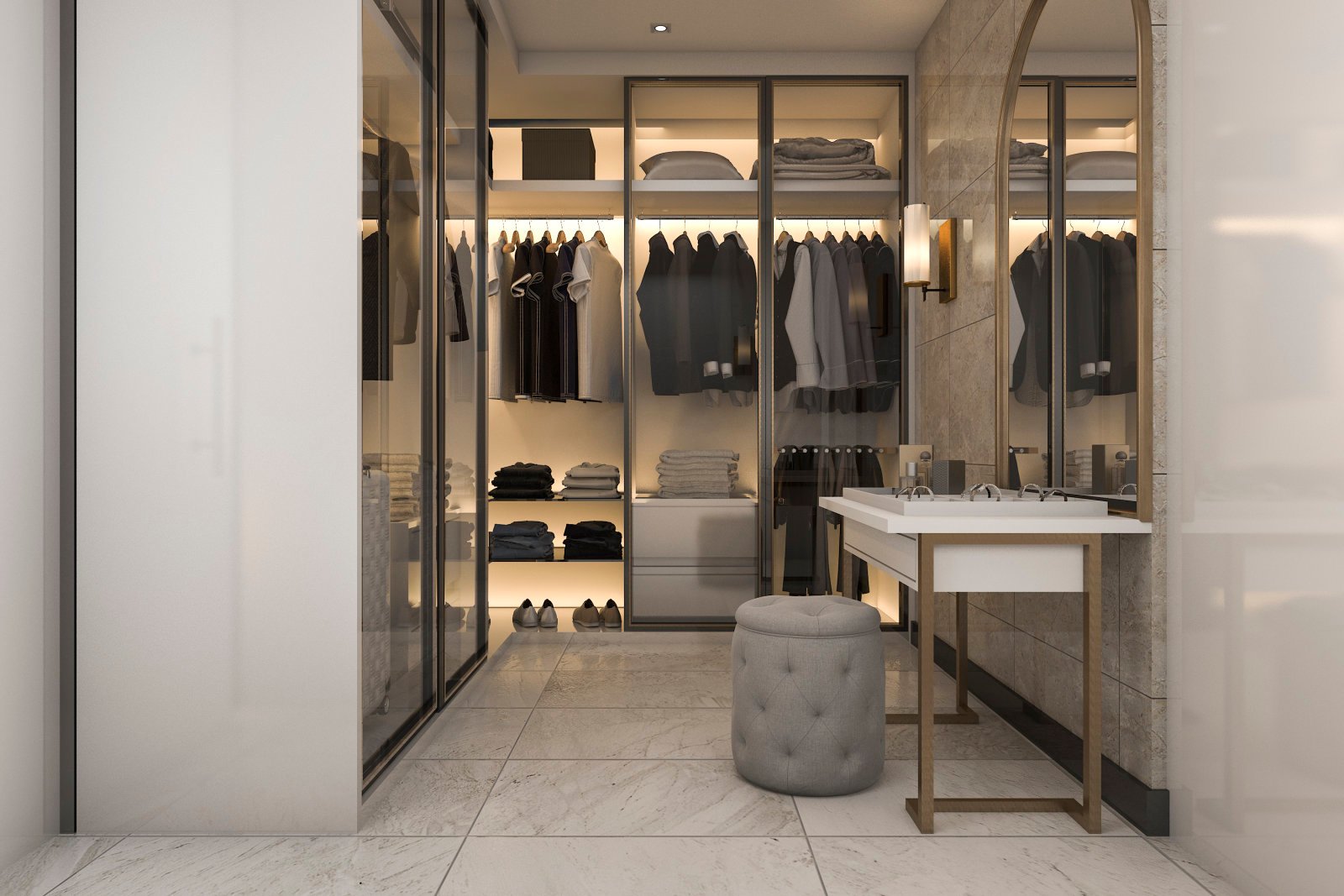
From project brief to repeatable assembly
Turn wardrobe modules into repeatable lighting kits
- Review the application: dimensions, materials, viewing position, cable routes and service access.
- Define the target: brightness, CCT, CRI, uniformity, glare and control behavior.
- Build the system: light engine, profile or enclosure, driver, wiring and mounting accessories.
- Prototype and verify: check appearance, temperature, weather exposure where relevant, and installation sequence.
- Prepare for repetition: lock cut lengths, leads, labels, packaging and production documentation.
What can be customized
HHY focuses on the variables that determine whether the system fits, performs and repeats reliably.
Light & Electrical
CCT, CRI, LED density, power, voltage, cut interval and dimming behavior.
Mechanical Fit
PCB width, profile or silicone shape, diffuser, wire exit, clips and exact cut lengths.
Project Kit
Pre-cut leads, connectors, drivers, controls, labels and project-specific packaging.
Useful next step
Move from application intent to a buildable specification
This page explains the project logic. Compare the relevant product families in our Products hub, or review the related Cabinet & Furniture Lighting Solution when furniture integration is part of the scope.
Wardrobe LED lighting FAQ
Is vertical or shelf lighting better for wardrobes?
Vertical lighting reaches more of the cabinet height, while shelf lighting supports individual compartments. Many wardrobes use a combination.
Which sensor should a wardrobe use?
Door switches are direct and predictable; PIR sensors support hands-free use; touch controls suit manual dimming. The choice depends on door geometry and user behavior.
Where should the driver be installed?
Place it in a ventilated, serviceable area with planned cable access, not sealed permanently behind finished furniture.
Bring us the application, not only a wattage
Plan a wardrobe lighting kit that furniture teams can repeat
Send the wardrobe drawing, shelf layout, door type and preferred control behavior. HHY will recommend a clean light, profile, sensor and wiring configuration.