
Design for the real exposure, not only the IP label
Outdoor strip lighting planned as a complete protected system
Outdoor reliability depends on more than coating the LED strip. Water entry often begins at cable exits, cut ends, connectors or poorly drained profiles, while long runs add voltage drop and heat.
HHY reviews exposure, mounting, length, maintenance access and control requirements before selecting the strip, silicone enclosure, profile, power supply and connection method.
Start with the application constraints
The right system is selected from the visual target, mounting detail, electrical limits and repeat-installation requirements.
Water Entry
Match sealing, cable exits and end treatment to the actual exposure path.
UV & Temperature
Select materials and power loading for sunlight and ambient temperature.
Voltage Drop
Plan feed lengths, cable size and injection points before installation.
Difficult Service
Keep drivers and connections accessible without weakening protection.
Recommended configuration starting points
Use these as engineering starting points, then confirm the complete assembly in a sample.
| Project priority | Recommended starting point | What HHY confirms |
|---|---|---|
| Sheltered exterior detail | IP65 protected strip | Water route and cleaning exposure |
| Direct rain or wet zone | IP67 sealed strip or neon flex | Ends, cable exits and immersion risk |
| Long architectural line | 24V/36V/48V or constant current | Feed length and injection points |
| Visible façade outline | Diffused neon flex | UV resistance, bend and mounting |
Recommended product configurations
These product families narrow the specification; final voltage, power, dimensions and accessories are matched to the project.
IP67 Flexible LED Strip
Sealed flexible strip for demanding indoor and outdoor locations.
From project brief to repeatable assembly
Engineer protection, power and mounting as one system
- Review the application: dimensions, materials, viewing position, cable routes and service access.
- Define the target: brightness, CCT, CRI, uniformity, glare and control behavior.
- Build the system: light engine, profile or enclosure, driver, wiring and mounting accessories.
- Prototype and verify: check appearance, temperature, weather exposure where relevant, and installation sequence.
- Prepare for repetition: lock cut lengths, leads, labels, packaging and production documentation.
What can be customized
HHY focuses on the variables that determine whether the system fits, performs and repeats reliably.
Light & Electrical
CCT, CRI, LED density, power, voltage, cut interval and dimming behavior.
Mechanical Fit
PCB width, profile or silicone shape, diffuser, wire exit, clips and exact cut lengths.
Project Kit
Pre-cut leads, connectors, drivers, controls, labels and project-specific packaging.
Useful next step
Move from application intent to a buildable specification
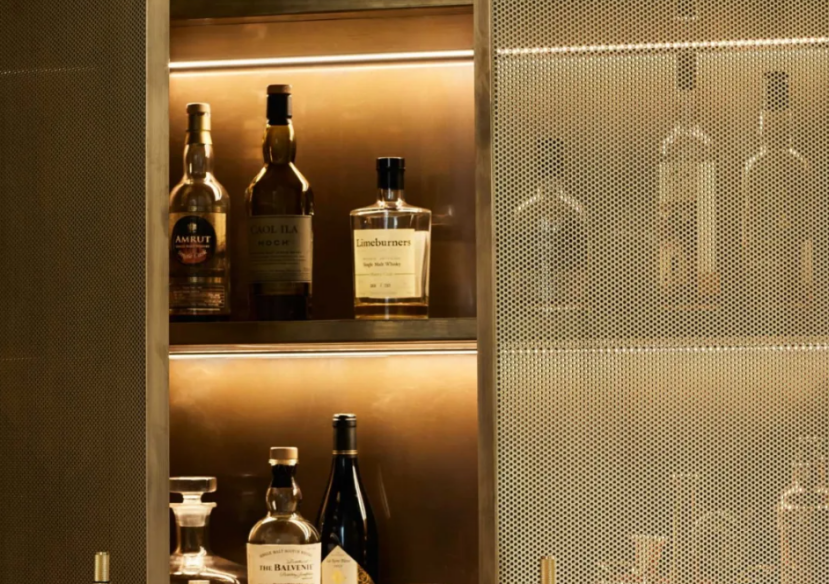
This page explains the project logic. Compare the relevant product families in our Products hub, or review the related Cabinet & Furniture Lighting Solution when furniture integration is part of the scope.
Outdoor LED strip lights FAQ
Is IP65 enough for outdoor use?
Only when the actual exposure is limited. Direct rain, pooling water and ground-level installations often require stronger sealing and carefully protected connections.
How far can outdoor LED strips run?
It depends on voltage, power per meter, conductor size and acceptable voltage drop. Feed and injection points should be calculated for the project.
Can cut ends remain waterproof?
Only after they are resealed with a validated end-cap, adhesive and cable-exit process compatible with the strip construction.
Bring us the application, not only a wattage
Plan an outdoor strip system that remains serviceable
Send the site condition, total length, mounting detail and control requirement. HHY will review the complete protected system rather than quoting an IP rating in isolation.