
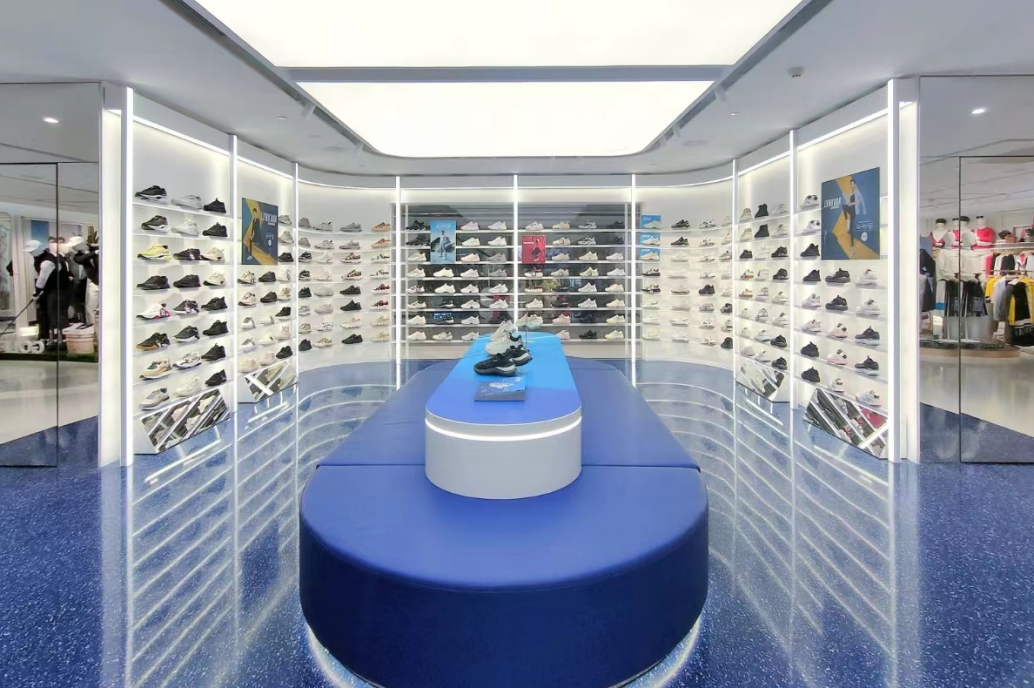
Light the merchandise, not the hardware
Display case lighting planned around the product and viewing angle
Good LED display case lighting makes merchandise easier to inspect without exposing dots, cables or harsh reflections. The light source, profile, diffuser, beam direction and mounting position must work as one detail—especially when customers view the case through glass.
HHY develops repeatable lighting systems for jewelry showcases, cosmetics counters, footwear displays, wine cabinets, museum cases and branded retail fixtures. We coordinate the LED strip, aluminum profile, driver, sensor and wiring around the cabinet drawing so the result can be reproduced across stores and production batches.
Recommended product configurations
Start with these proven building blocks, then adjust output, dimensions and controls to the fixture.
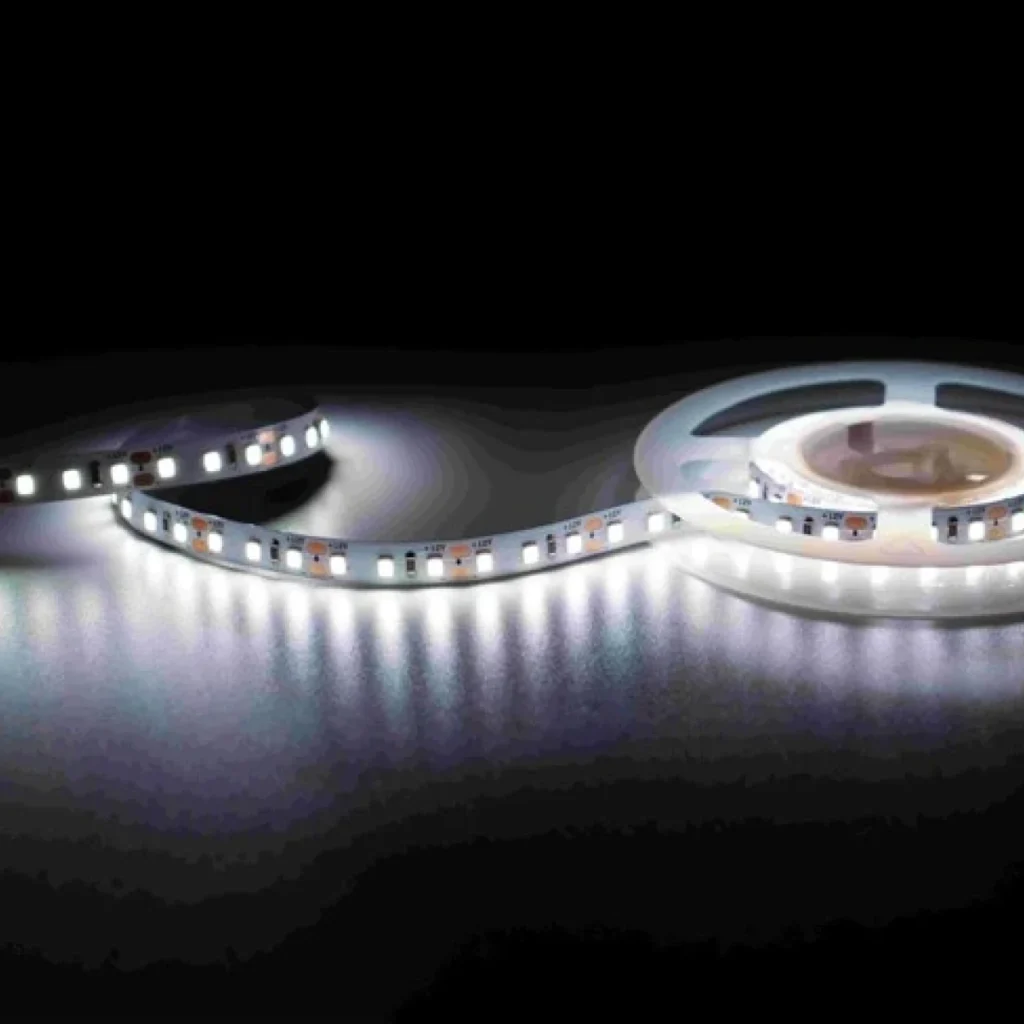
High CRI SMD LED Strip
Accurate, repeatable color for merchandise, work surfaces and premium interiors where visual fidelity matters.
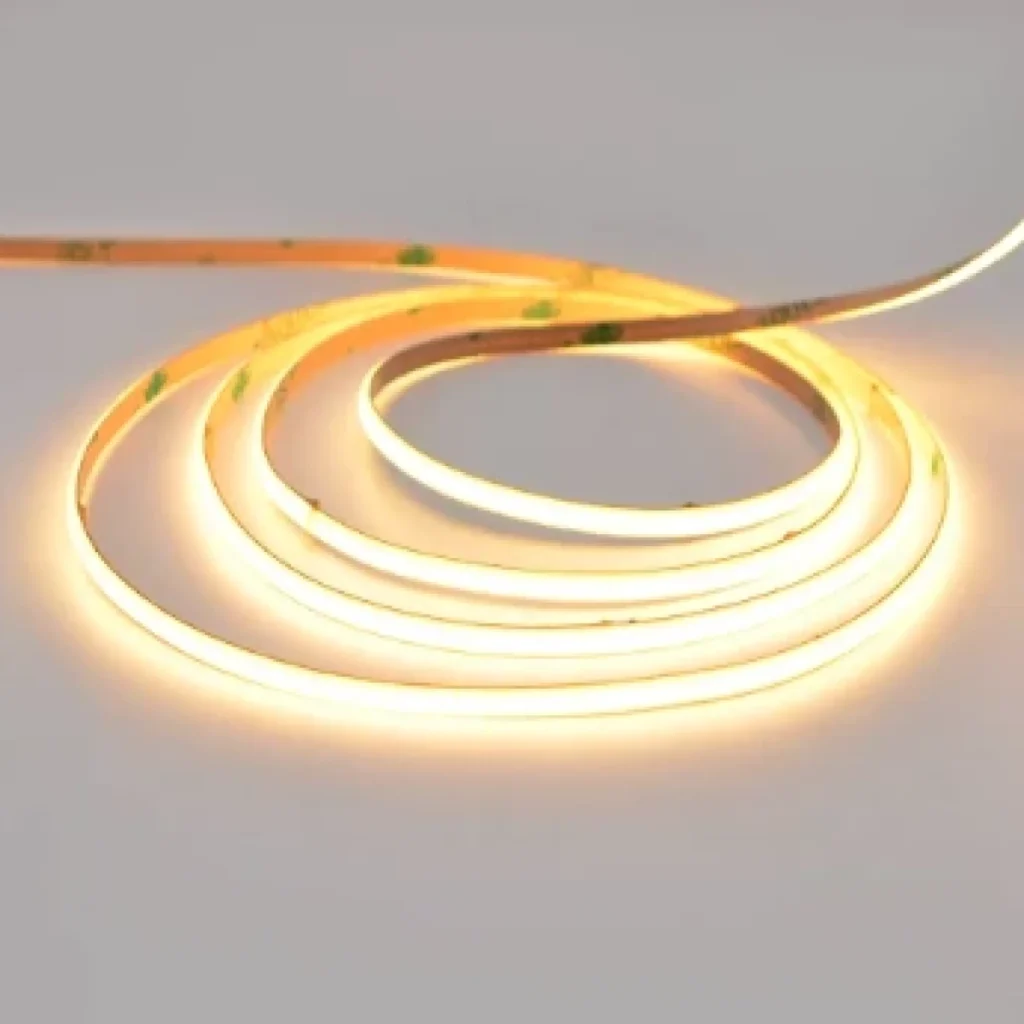
Dot-Free COB LED Strip
Continuous dot-free light for shallow channels, close viewing distances and clean integrated details.
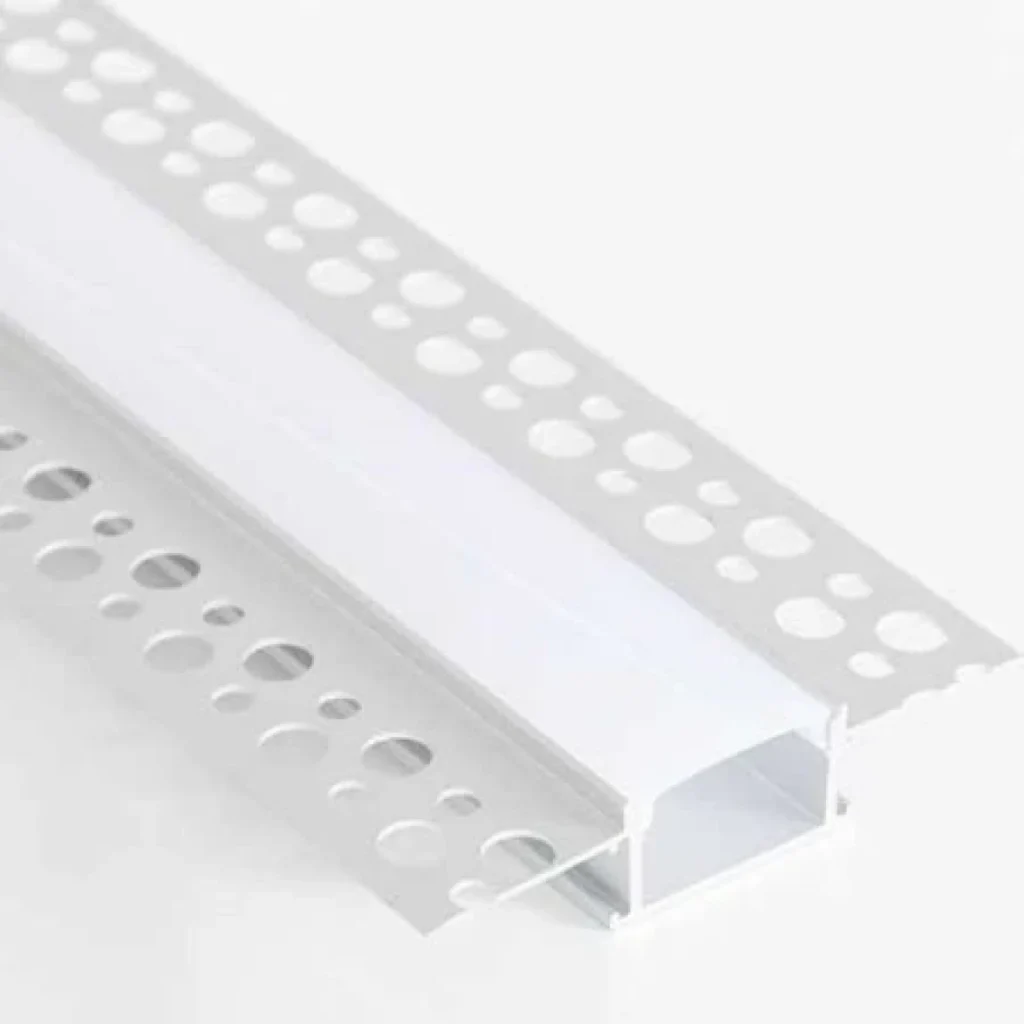
LED Aluminum Profile
Recessed, surface or corner mounting with controlled glare, improved heat management and clean finishing.
Start with what the customer must see
Different merchandise needs different color quality, contrast and beam control. The display objective should decide the system—not a generic strip specification.
Jewelry & Watches
High color quality, controlled sparkle and low glare help customers inspect small details through glass without seeing the light source.
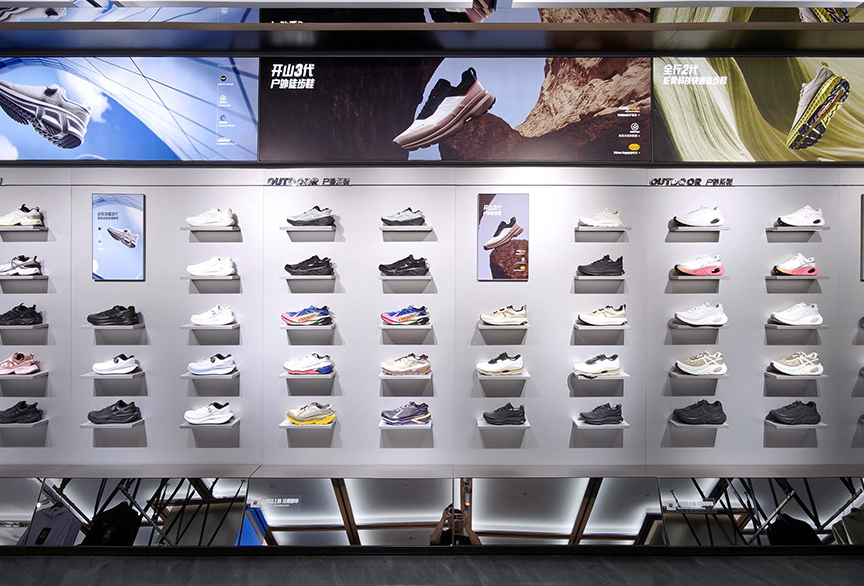
Fashion & Footwear
Even shelf illumination and consistent CCT keep materials and colors coordinated across a long wall of repeat fixtures.
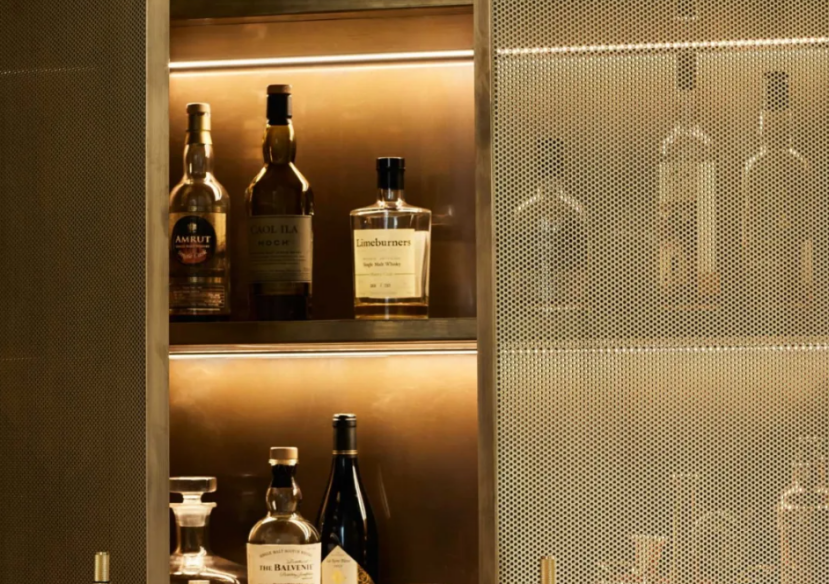
Wine & Premium Goods
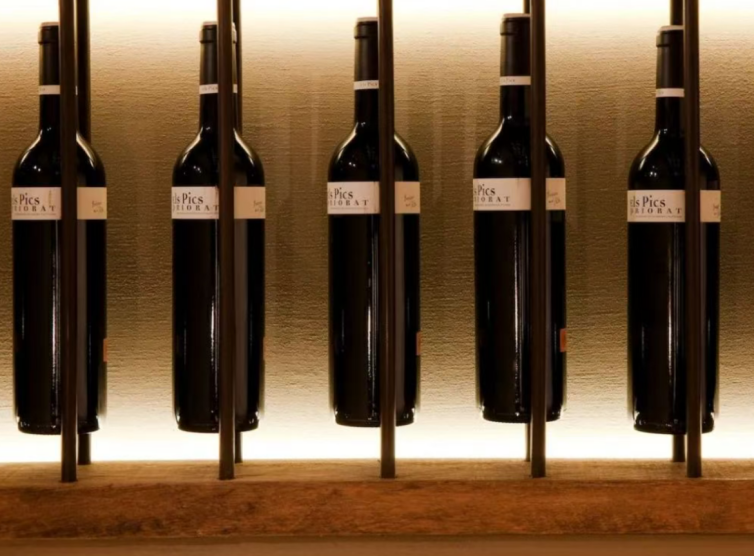
Warm, concealed light supports the material finish while low-heat, dimmable configurations protect the visual atmosphere.
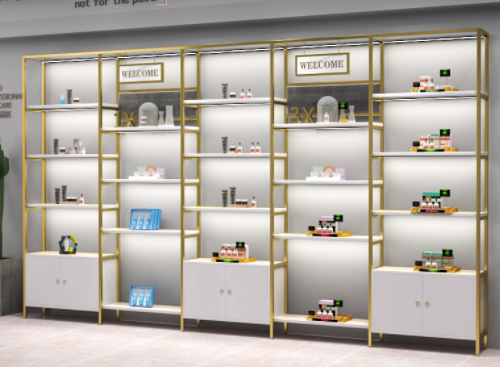
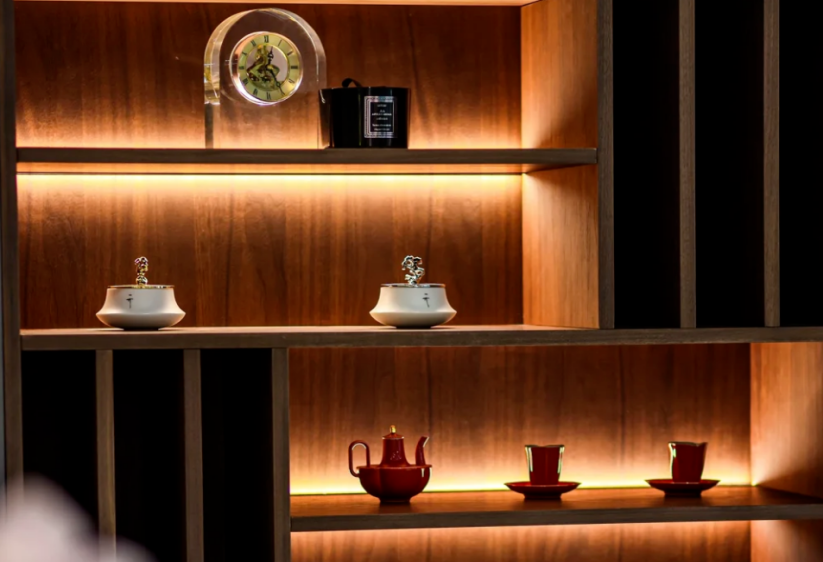
Museum & Collectibles
Stable output, careful aiming and serviceable components support delicate objects without distracting from the exhibit.
Mounting position changes the result
Choose the light direction before choosing the LED strip
- Front edge, aimed down: puts useful light on the merchandise and reduces shadows from the shelf above, but needs glare control at normal eye level.
- Center under-shelf: creates an even wash for repeat retail shelving when the profile and diffuser are properly concealed.
- Rear, aimed down: washes the back panel and builds depth without placing a bright line close to the glass.
- Rear, aimed up or both ways: creates a floating, layered effect for premium cabinets and decorative displays.
- Vertical side lighting: improves facial or object modeling in tall cases and helps reduce dark lower shelves.
Recommended starting point by display type
These are engineering starting points. Final output, CCT, optics and power should be checked in a physical fixture sample.
| Display type | Lighting starting point | Profile & optics | What HHY confirms |
|---|---|---|---|
| Glass jewelry showcase | High-CRI narrow strip, single color or tunable white | Compact recessed or 45° corner profile with diffused, shielded output | Viewing angle, reflection, CCT/CRI target, heat and cable concealment |
| Cosmetics counter | High-CRI neutral white or tunable white | Continuous dot-free line with controlled forward throw | Skin-tone and package-color rendering, brightness balance and dimming |
| Fashion or footwear wall | High-density strip matched to merchandise | Recessed or surface profile for even shelf coverage | Batch color consistency, row-to-row uniformity and driver zoning |
| Wine, tea or premium cabinet | Warm white, dimmable, low-glare configuration | Rear or under-shelf profile for reflected or grazing light | Material finish, bottle shadows, heat, wiring route and atmosphere |
| Museum or collectible case | Stable high-CRI source selected for the exhibit | Concealed profile with careful beam direction | Illuminance target, service access, thermal conditions and control limits |
A complete display lighting system—not just an LED strip
Specifying the full assembly early reduces visible hardware, installation errors and inconsistent results between fixtures.
Light Engine
Narrow PCB, COB or high-density SMD, single color or tunable white, with output and cut length selected for the fixture.
Profile & Diffuser
Recessed, surface or corner AL6063-T5 profiles conceal the source, manage heat and shape the light.
Driver & Control
12V or 24V drivers, dimming and door, touch or PIR sensors are coordinated with access and control behavior.
Wiring & Accessories
Pre-cut leads, connectors, end caps, clips and labeled assemblies simplify factory installation and field service.
Built for repeatable fixtures
What HHY can customize for your display program
- Light quality: target CCT, CRI, brightness, LED density and batch color consistency.
- Electrical design: PCB width, voltage, wattage, cut interval and maximum run length.
- Mechanical fit: profile shape, diffuser, finish, mounting clips, end caps and exact cut lengths.
- Installation kit: wire exits, lead lengths, connectors, sensor and driver configuration.
- Supply program: labels, project identification, packaging and repeat-production documentation.
Typical small custom orders can be supported on a 7–15 day lead time after the specification and materials are confirmed. Sampling is used to verify fit, appearance and control behavior before repeat production.
From fixture drawing to production configuration
A short engineering loop prevents expensive lighting changes after the cabinet tooling or joinery is fixed.
1. Review the Fixture
Share dimensions, materials, glass, shelf spacing, cable routes and the normal customer viewing position.
2. Define the Visual Target
Confirm merchandise, CCT/CRI, brightness, uniformity, glare limits and whether the source must disappear.
3. Build & Test a Sample
Coordinate strip, profile, diffuser, driver and control; then check fit, reflections, heat and switching behavior.
4. Prepare for Repetition
Lock the assembly, wiring, labels and packaging so each cabinet installs and performs consistently.
Product and solution answer different questions
Start with the display problem, then select the product
Our LED Strip Lights page explains the available light-engine technologies. This Solution page begins with the merchandise, cabinet geometry and customer viewing angle, then narrows the product specification.
For furniture applications beyond retail displays, see the Cabinet & Furniture LED Lighting Solution. These contextual links connect the precise application page to the broader product hub and its nearest solution without creating public tag archives.
LED display case lighting FAQ
How can visible LED dots be avoided in a display case?
Use a sufficiently dense light source, adequate profile depth and a diffuser with suitable transmission. The correct combination depends on viewing distance, reflective surfaces and the profile’s available space.
Where should LED lighting be placed in a glass showcase?
Front-edge, center under-shelf, rear and vertical side positions create different shadows and reflections. The best position is the one that illuminates the product while keeping the source outside the normal viewing angle.
What CRI and color temperature should retail display lighting use?
High CRI is usually preferred where merchandise color matters. CCT depends on product and brand atmosphere: warm white supports timber and premium goods, while neutral white is common for cosmetics, jewelry and general retail. Tunable white can support multiple scenes.
Can HHY supply a complete prewired display lighting kit?
Yes. The configuration can include cut-to-length LED strips, aluminum profiles, diffusers, leads, connectors, drivers, sensors, clips, labels and project packaging based on the fixture drawing.
What should we send for a display lighting recommendation?
Send the cabinet drawing or sketch, dimensions, merchandise type, mounting position, target CCT/CRI, voltage, control method, driver location, market requirements and expected quantity.
Bring us the fixture, not only a wattage
Plan a display lighting system that repeats cleanly
Send your fixture drawing and visual target. HHY will translate the constraints into a buildable strip, profile, driver and control configuration for sampling and repeat production.